Wellbeing
Thai Massage and Everyday Tension: What It Can Do for You
4 min read
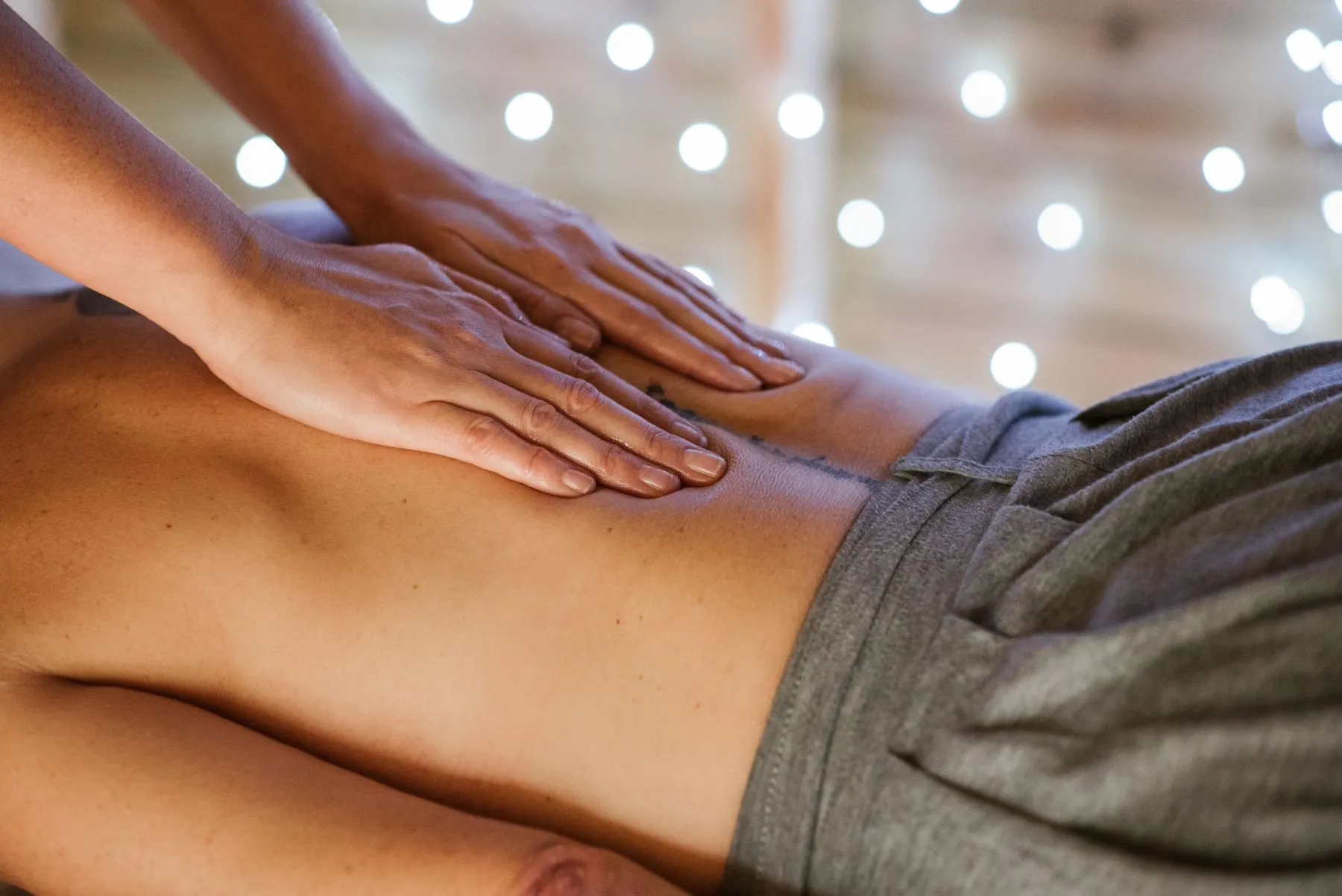
An ancestral practice focused on wellbeing
Thai massage, or Nuad Boran, is an ancestral practice that combines rhythmic pressure with gentle stretching. According to tradition, it follows energy lines called Sen that run through the body. Today, people mostly love it for what it brings: a moment of deep relaxation, looser muscles and a calmer mind.
Let’s be clear from the start: the massage we offer at the salon is a wellbeing massage. It is not a medical treatment and it doesn’t replace the advice or care of a health professional. It can, however, be a moment of wellbeing alongside any medical care you may need.
What you feel during and after a session
More relaxed muscles
The pressure and stretches, sometimes called “passive yoga”, help to:
- Relax muscles tightened by tiredness or poor posture
- Release little knots of tension in the neck, shoulders and back
- Bring back a pleasant feeling of suppleness
- Leave you feeling lighter after a busy spell
A calmer mind
The slow, enveloping rhythm of the session helps you let go. Many people leave with:
- A sense of calm and serenity
- The feeling of having truly switched off
- A better sense of rest by the evening
- A lighter mood
Everyday tension
Neck, shoulders and back
Screen work, long hours sitting down, carrying heavy loads, stress: the upper body takes a lot. Thai massage helps relax these areas so you feel more comfortable and move more easily.
Stiffness and that “hunched-up” feeling
After a day at a desk or a workout, the body can feel stiff. The gentle stretches of Thai massage bring a feeling of length and renewed mobility.
Stress and mental fatigue
Stress often shows up in the body as tight shoulders or a clenched jaw. A massage gives you the chance to breathe, release that tightness and take a proper break.
Pain that won’t go away? Talk to your doctor first
If you have pain that is severe, unusual or lasting, a diagnosed back problem (sciatica, a slipped disc…), frequent headaches or a long-term illness, see your doctor first. Massage is not a treatment: it doesn’t treat or cure anything. With your doctor’s agreement, it can still be a pleasant moment of relaxation.
Getting the most from your session
- Tell your practitioner: always mention any health problems, medication and sensitive areas
- Adjust the pressure: say if any pressure or stretch feels too strong; the session adapts to you
- Stay hydrated: drink water before and after your massage
- Come at your own pace: a one-off session or something more regular, whatever suits you
- Make the relaxation last: a few gentle stretches and good sleep between sessions
Contraindications and precautions
Thai massage isn’t suitable in every situation. It is not recommended if you have:
- A fever or acute infection
- Phlebitis or a blood clot (thrombosis)
- A recent fracture or injury
- Osteoporosis
- A blood clotting disorder
- A contagious skin condition or open wound
Ask your doctor before booking, and let us know, if you are pregnant or have high blood pressure, a heart condition, cancer or any other health problem. If in doubt, your doctor’s advice always comes first.
Conclusion: time for yourself
Thai massage is above all a moment of wellbeing: it helps release everyday tension, bring back a feeling of suppleness and calm the mind. It isn’t a medical treatment, but a lovely way to look after yourself, alongside any medical care you may need.